
 PixVerse
PixVerse V6 Prompt Guide
How to write PixVerse V6 prompts: a structure that works, 6 example prompts for text to video, image to video and reference to video, the settings that change the result and how to reference your own media. Copy any prompt into the Studio to try it.
- Example prompts
- 6
- 3 tasks
- Resolution
- 1080p
- 360p · 540p · 720p · 1080p
- Clip length
- 1–15 s
- audio optional
- Per try from
- $0.0176/s
- 360p
Structure
A PixVerse V6 prompt, piece by piece
Write in this order and keep each part concrete. Physical detail works better than mood words.
01
Subject
Who or what is on screen, with the details that must stay consistent: age, clothing, materials, colours.
02
Action
One clear action in the present tense. For clips up to 15 s, describe a short sequence of beats.
03
Camera
Shot size and movement: close-up, wide, dolly-in, orbit, handheld, drone.
04
Scene and light
Location, time of day, and where the light comes from.
05
Style
Lens, film look, colour grade or animation style.
06
Sound
PixVerse V6 can add native audio (billed at a higher rate): describe ambience, effects or dialogue when generate_audio is on.
07
References
Say what each reference controls, e.g. @Image1: “@Image1 is the main character”.
Examples
PixVerse V6 prompt examples
Prompts written for this model, grouped by task. Open one in the Studio, then change one part at a time.
- Text to Video9:16
Anime-style magical girl transformation with sparkles and ribbons, dynamic camera spin
Try in Studio - Text to Video16:9
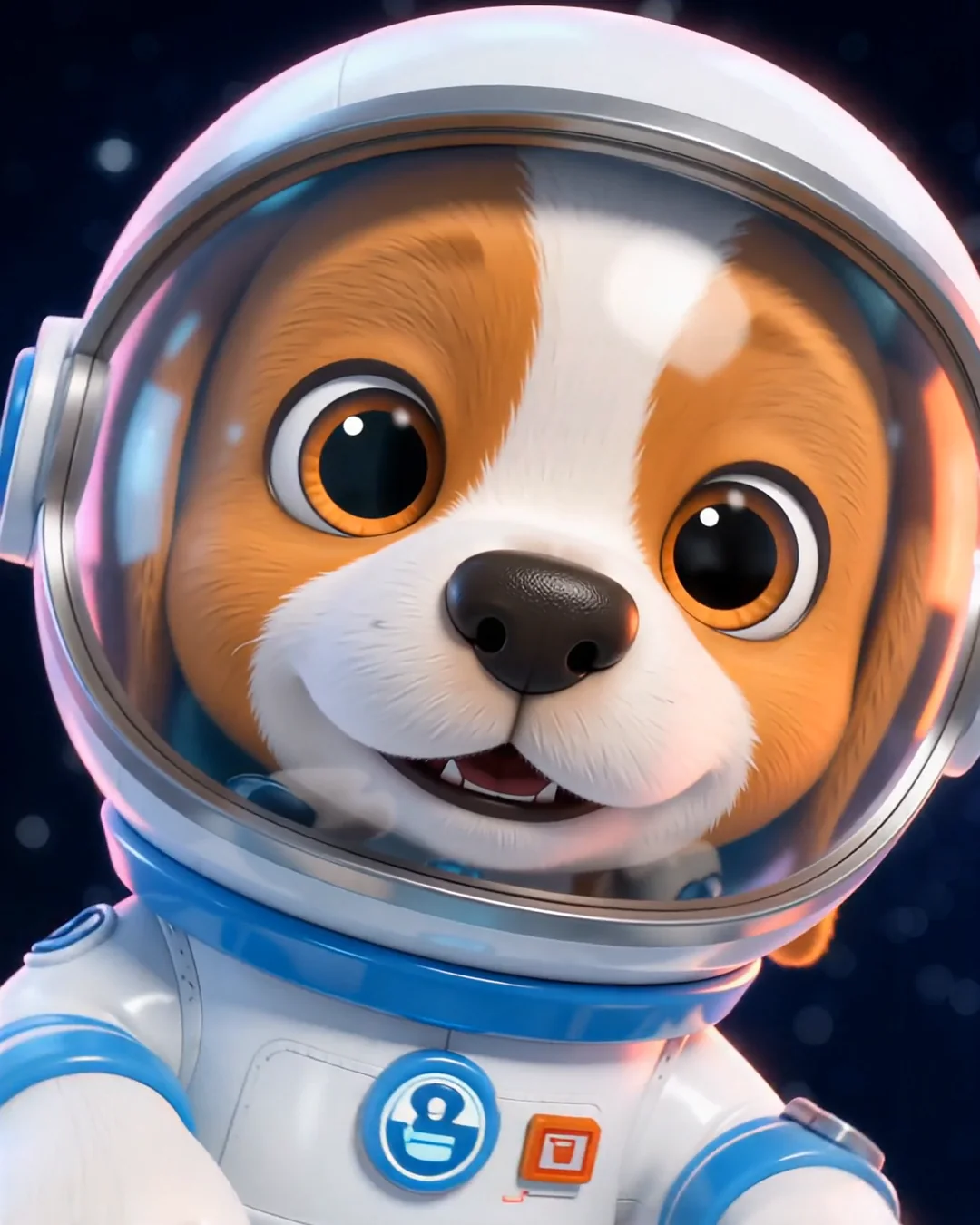
A plush toy astronaut bounces across a candy moon, 3D cartoon style
Try in Studio - Text to Video1:1
Cinematic slow-motion splash as a strawberry drops into milk, studio light
Try in Studio - Text to Video
A cute clay-animation fox bakes a pie in a tiny kitchen, stop-motion style, warm light
Try in Studio - Image to Video
The portrait comes alive: she blinks, smiles and her hair moves in the breeze
Try in Studio - Reference to Video
The character from @Image1 skateboards past the mural in @Image2, dynamic tracking shot
Try in Studio
By task
Prompting each PixVerse V6 task
Text to Video
Everything comes from the text, so describe subject, action and camera explicitly. Put the most important element first.
Image to Video
The image is the first frame: describe what moves and how the camera moves, not what the picture already shows.
Reference to Video
Attach references and mention them in the prompt by name, saying what each one should control — character, product, style or camera move.
Referencing your own media
| Input | In the prompt | Limits and rules |
|---|---|---|
| Reference images Reference to Video · up to 7 | @Image1, @Image2… | Up to 7 images for characters, products, style or scene. Refer to them in the prompt as @Image1, @Image2… |
Settings
Settings that change the result
Set these next to the prompt — in the Studio or as API parameters.
| Setting | Options | Effect |
|---|---|---|
| Aspect ratio aspect_ratio | 16:9 · 9:16 · 1:1 · 4:3 · 3:4 · 3:2 · 2:3 · 21:9 default 16:9 | Output frame shape. |
| Resolution resolution | 360p · 540p · 720p · 1080p default 540p | Output resolution. Higher resolutions cost more per second. Price: 360p $0.0176/s · 540p $0.0264/s · 720p $0.0352/s · 1080p $0.0704/s |
| Duration duration | 1–15s default 5 | Length of the generated clip in seconds (1–15s). You pay per second. |
| Generate audio generate_audio | on / off default false | Generate synchronized sound, ambience and dialogue. Clips with audio are billed at a higher per-second rate. |
| Negative prompt negative_prompt | — | Things to avoid in the output. |
| Seed seed | — | Use the same seed and settings to reproduce a result. Leave empty for random. |
FAQ